Going for Gold: 3 Winning Strategies to Bring the Winter Olympics into Your Classroom

History Winter Olympics

Every four years, a special kind of magic takes over. The world pauses, we all suddenly become experts in curling, and we find ourselves cheering for athletes in sports we can barely pronounce. The Winter Olympics are coming, and let me tell you, the excitement in the classroom is palpable! As teachers, we know this is a golden opportunity. The Olympics aren’t just about sports; they are a gateway to teaching geography, history, perseverance, and cultural appreciation. But how do we harness that energy and turn it into meaningful learning, especially when we are already juggling a million other things? If you are looking for ways to bring the spirit of the 2026 Milano Cortina Games into your classroom without reinventing the wheel, here are three of my favorite, low-stress strategies to get your students engaged and learning. 1. The “Design Your Own Event” Challenge This is a fantastic way to blend creativity with critical thinking. I challenge my students to invent a brand-new winter sport that should be in the Olympics. They have to consider: Students can present their proposals to the class (“The International Olympic Committee”), who then vote on which new sport should be added to the games. It’s a fun, collaborative activity that gets them thinking about the logistics and spirit of athletic competition. 2. Olympic Math Medals Why not add an Olympic twist to your math practice? It’s amazing how much more engaging word problems become when they involve gold medals and world records. You can create problems based on real-world scenarios: For younger students, you can even track the medal count on a graph each day. It’s a simple way to integrate real-world data and make math feel relevant to a global event. 3. The Legendary “History of the Games” Gallery Walk This is my absolute favorite activity for this unit because it gets students out of their seats, combines history with reading comprehension, and is virtually no-prep for me. I recently started using this History of the Winter Olympics Gallery Walk, and it has been a total game-changer. Here is why it’s a gold-medal resource in my book: Instead of a dry lecture, students walk around the room to 7 different stations, each featuring an iconic moment from Winter Olympic history. We’re talking about stories that really capture their imagination, like the “Miracle on Ice,” the inspiring perseverance of “Eddie the Eagle,” and modern legends like Shaun White and Chloe Kim. What I love most is that the reading passages are designed for 6th-grade reading levels, so they challenge students to read for detail, not just skim for bullet points. They have to actually read the full paragraphs to find the facts for their recording sheet. It’s the perfect way to build those crucial reading skills while keeping them engaged in high-interest content. I just print the posters, tape them to the walls, give students the recording sheet, and let them go! It’s a fantastic, self-paced activity that frees me up to facilitate and check in with individual students. You can grab this no-prep History of the Winter Olympics Gallery Walk here! Let the Games Begin! Whether you’re designing new sports, crunching Olympic numbers, or taking a walk through history, the most important thing is to tap into the excitement of the games. It’s a wonderful way to connect your classroom to the wider world and inspire your students with stories of dedication and triumph. Do you have a favorite Winter Olympics activity? Share your ideas in the comments below—let’s help each other make this an Olympic-sized success in our classrooms!

4 Engaging Valentine’s Day Activities for Upper Elementary (That Aren’t “Cringe”)

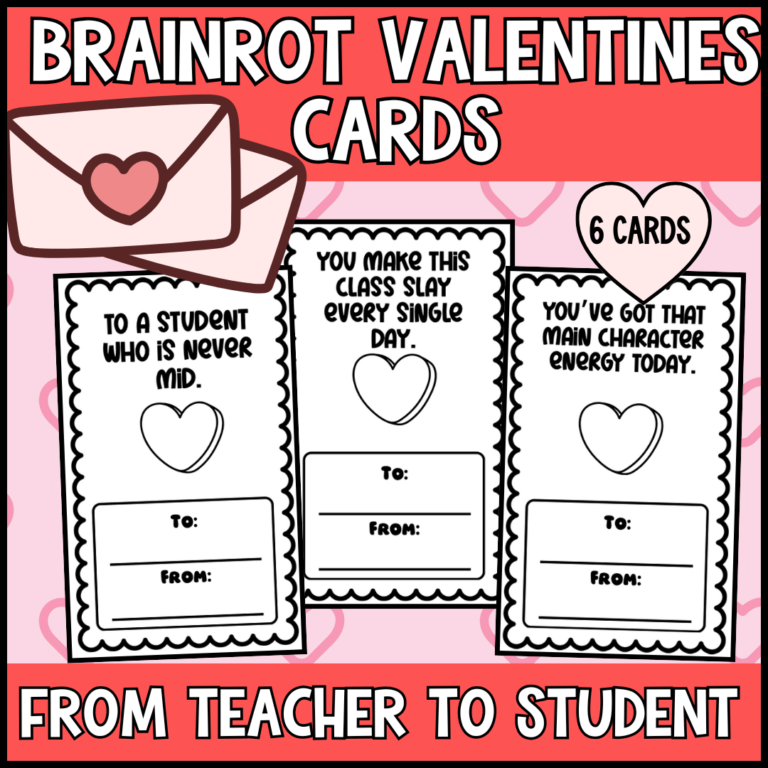
Let’s be real for a second: Valentine’s Day in upper elementary and middle school is a wild ride. You’re balancing the inevitable sugar crash, the heightened social dynamics, and that tricky line between “festive” and “babyish.” If you teach 4th grade and up, you know that the cute little cartoon valentines and simple crafts we loved in primary grades just don’t hit the same way anymore. In fact, if you try to force it, you might just get an eye roll. But that doesn’t mean we skip the holiday! It just means we have to level up our game. Over the years, I’ve found that the secret to surviving (and actually enjoying) February 14th with big kids is finding activities that are relatable, engaging, and—dare I say—a little bit cool. Here are four of my favorite strategies for celebrating Valentine’s Day with older students, including a set of cards that will finally earn you some “cool teacher” points. 1. “Love Letter” to a Character (Literacy Activity) We are always looking for ways to sneak in some rigorous writing practice, right? Instead of generic poetry, have students write a “Break-Up Letter” or a “Love Letter” to a character from their current novel study or independent reading book. How it works: 2. Speak Their Language with “Brain Rot” Valentines Okay, this is the one I am most excited to share with you this year. If you spend any time around students aged 10-14, you know they have their own language. Words like “mid,” “no cap,” and “vibes” are flying around my classroom constantly. Usually, I just smile and nod, but this year, I decided to lean into it. I found these Brain Rot Valentine’s Day Cards and they are an absolute game-changer. Why I love them: If you want to be the teacher who passes the “vibe check” this year, grab these cards here. Trust me, they are far from “cringe.” 3. The “Compliment Bag” Challenge This is a classic for a reason. In upper grades, we shift the focus from candy to kindness. The Strategy: It turns a chaotic candy exchange into a really sweet social-emotional learning moment. 4. Valentine’s Day “Math Libs” When in doubt, make it academic but silly. I love taking standard word problems and replacing the names and scenarios with over-the-top dramatic Valentine’s tropes. It’s a simple tweak that gets a laugh and keeps them doing the math. How are you celebrating this year? Whether you go full academic or just take a chill day to build relationships, remember that your students just want to feel seen. And if you can do that while using the word “sigma” correctly in a sentence? Well, that’s just a bonus. Happy Valentine’s Day, teachers!