Middle School Science Activities
Browse low-prep science activities, gallery walks, review games, and teaching ideas for upper elementary and middle school classrooms.
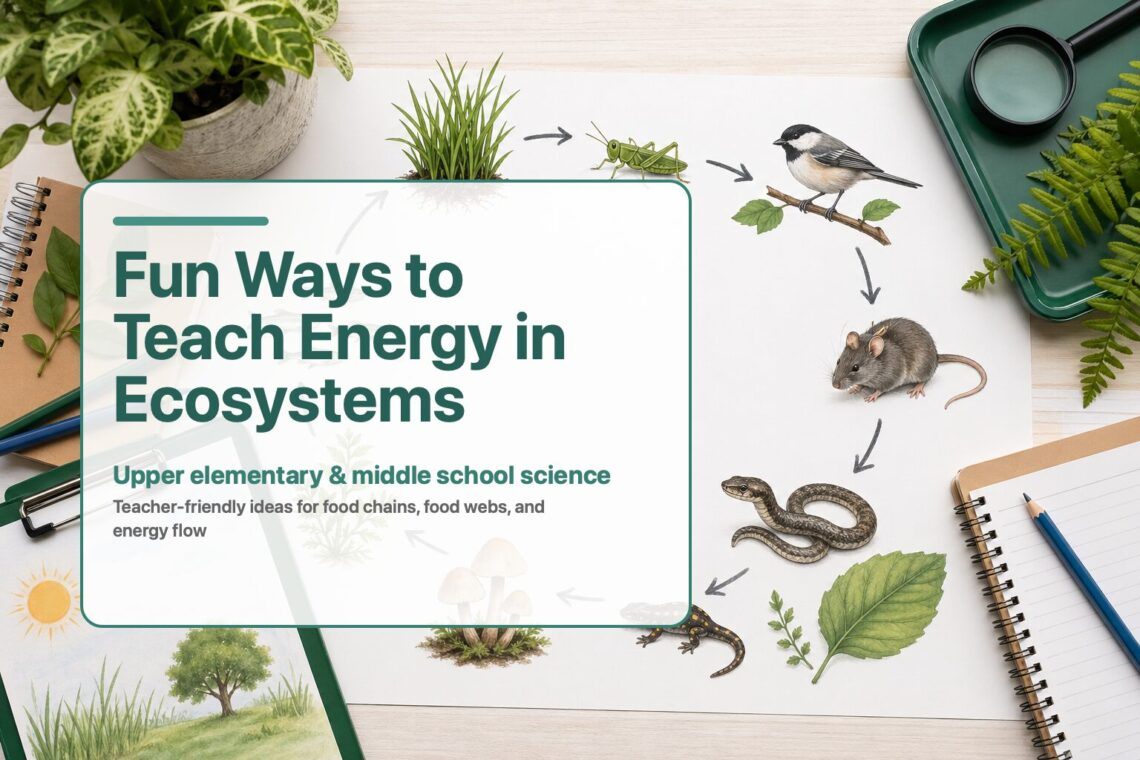
Fun Ways to Teach Energy in Ecosystems in Middle School Science
Looking for fun ways to teach energy in ecosystems? Try these classroom-friendly science ideas for food chains, food webs, and energy flow.
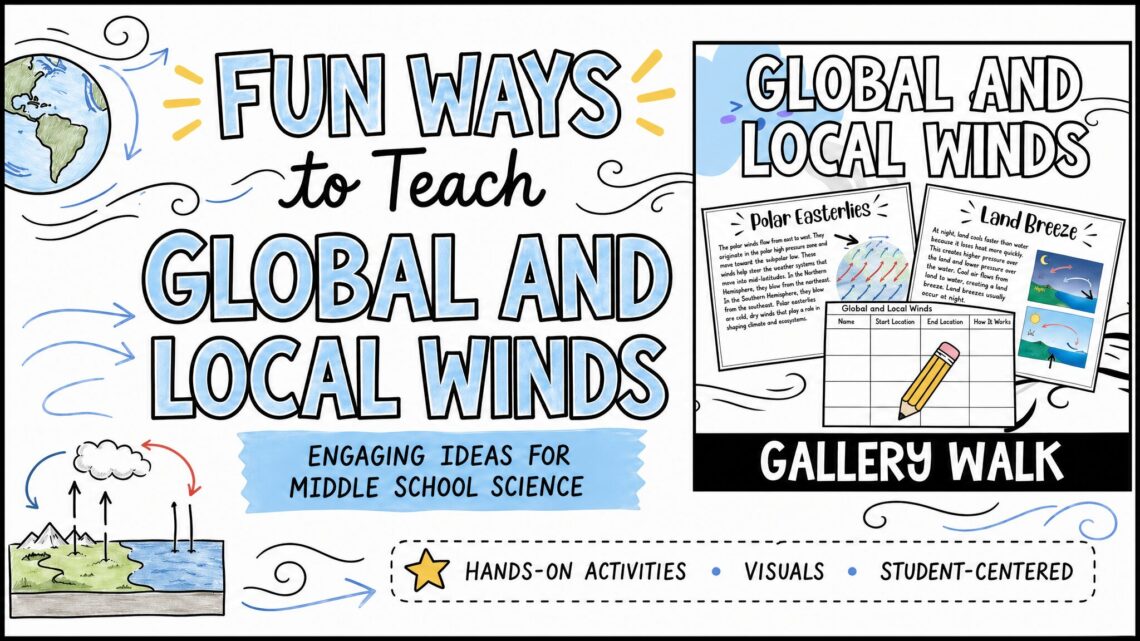
Fun Ways to Teach Global and Local Winds in Middle School Science
Looking for fun ways to teach global and local winds? Try these middle school science strategies, including visuals, comparison work, and a gallery walk activity.
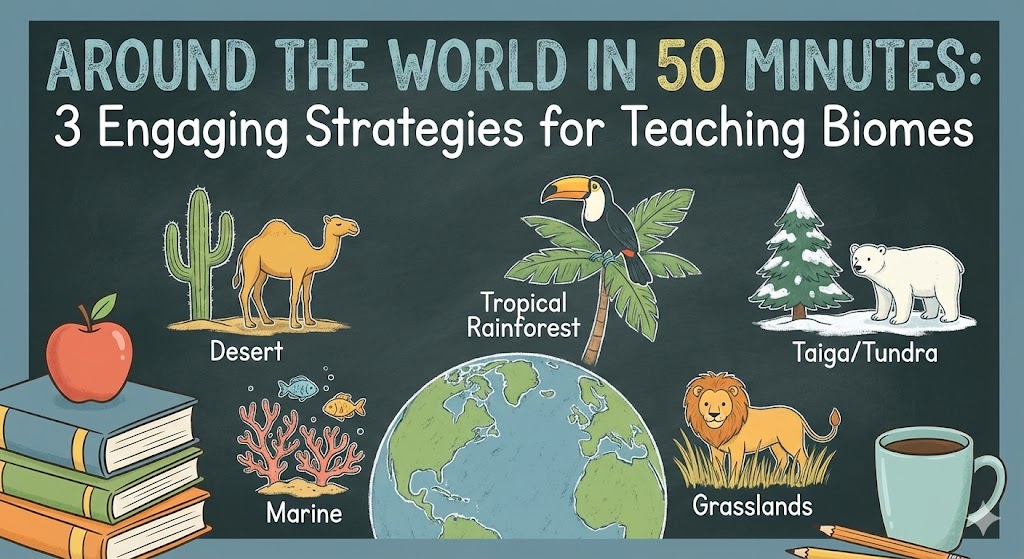
Around the World in 50 Minutes: 3 Engaging Strategies for Teaching Biomes
Teaching biomes is fun because most students still think animals, plants, and extreme environments are interesting. The hard part is not usually buy-in. The hard part is helping students keep track of climate, location, plants, animals, and adaptations without turning the whole unit into a chart-copying marathon. My favorite solution is variety. Get students reading. Get them moving. Get them looking closely at visuals. Then make them pull the information back out of their memory. Use a biome gallery walk A gallery walk is such a good fit for teaching biomes because each biome has its own “feel.” Students can move from station to station and collect information about deserts,…
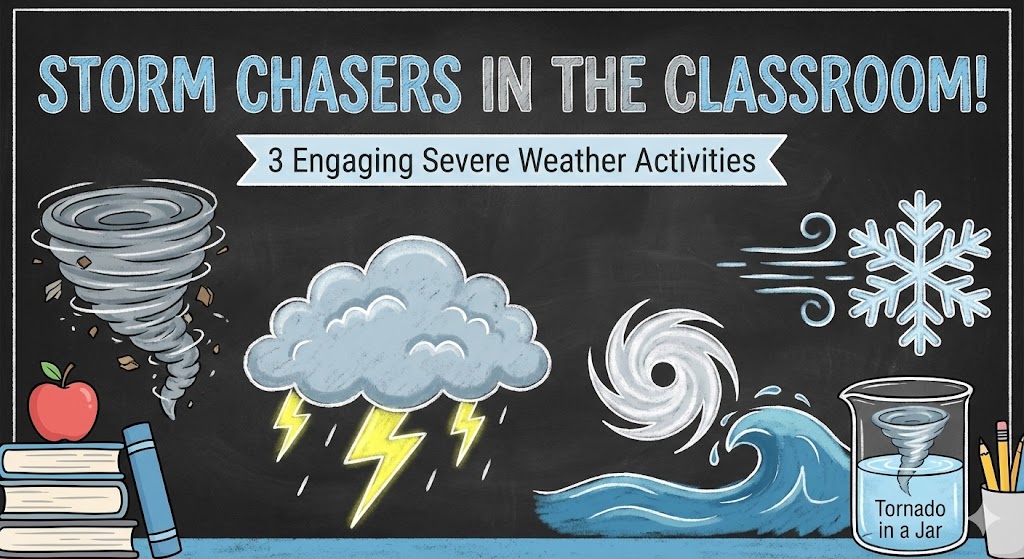
Storm Chasers in the Classroom: 3 Engaging Severe Weather Activities
Severe weather usually gets students’ attention right away. Tornadoes, hurricanes, blizzards, thunderstorms—there is a built-in wow factor. The trick is turning that curiosity into actual science understanding. I want students to know more than “tornadoes are scary.” They need to understand how severe weather forms, what conditions are involved, how people stay safe, and why different events happen in different places. Start with what students already wonder Before notes, I like asking students what severe weather questions they already have. Why do tornadoes spin? Why do hurricanes form over warm ocean water? What makes a storm severe? Their questions usually give you a great starting point. It also reminds students…
The Ultimate Potential and Kinetic Energy Activity to Get Students Moving
Potential and kinetic energy can be tricky because students cannot exactly hold “stored energy” in their hands. They can say the definitions back to us, but then a roller coaster, a rubber band, a flashlight, and a falling book all start to blur together. That is why I like teaching energy with activities where students can see it, feel it, and explain it in their own words. A good potential and kinetic energy activity should get students doing more than copying vocabulary. They need examples, movement, and chances to describe what is changing. Here are three ways I like to make energy transfer more visible in science class. 1. Use…
Making Weather Visible: 3 Engaging Activities for Air Masses and Weather Fronts
Air masses and weather fronts are tough because the most important parts are invisible. We talk about warm air rising, cold air sinking, and fronts moving across a map, but students are often just staring at red semicircles and blue triangles hoping it clicks. For me, the goal is to make weather visible. Students need to see what happens when air masses meet, move their bodies a little, and then read the details carefully enough to use the vocabulary correctly. Here are three air masses and weather fronts activities that help students understand the science behind the forecast. 1. Show fronts with a density tank demo This is one of…