Grade 6
Browse 6th grade science, social studies, and ELA activities for middle school classrooms.
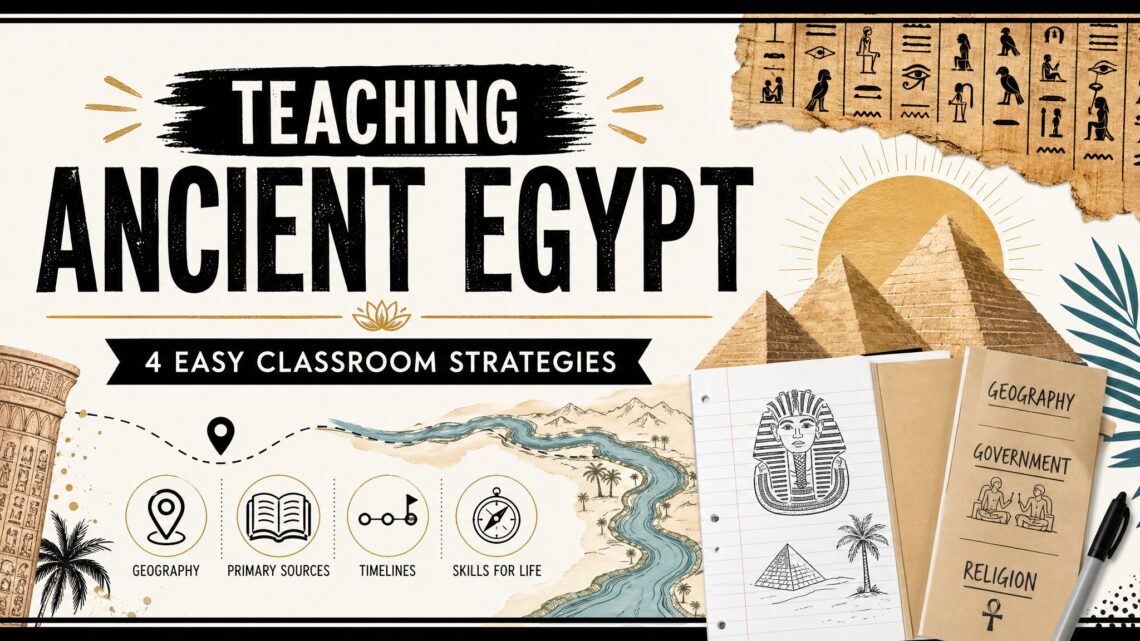
4 Easy Ways to Teach Ancient Egypt in Middle School Social Studies
Teach Ancient Egypt with four easy middle school social studies strategies, including maps, GRAPES notes, primary sources, and a free foldable brochure activity.
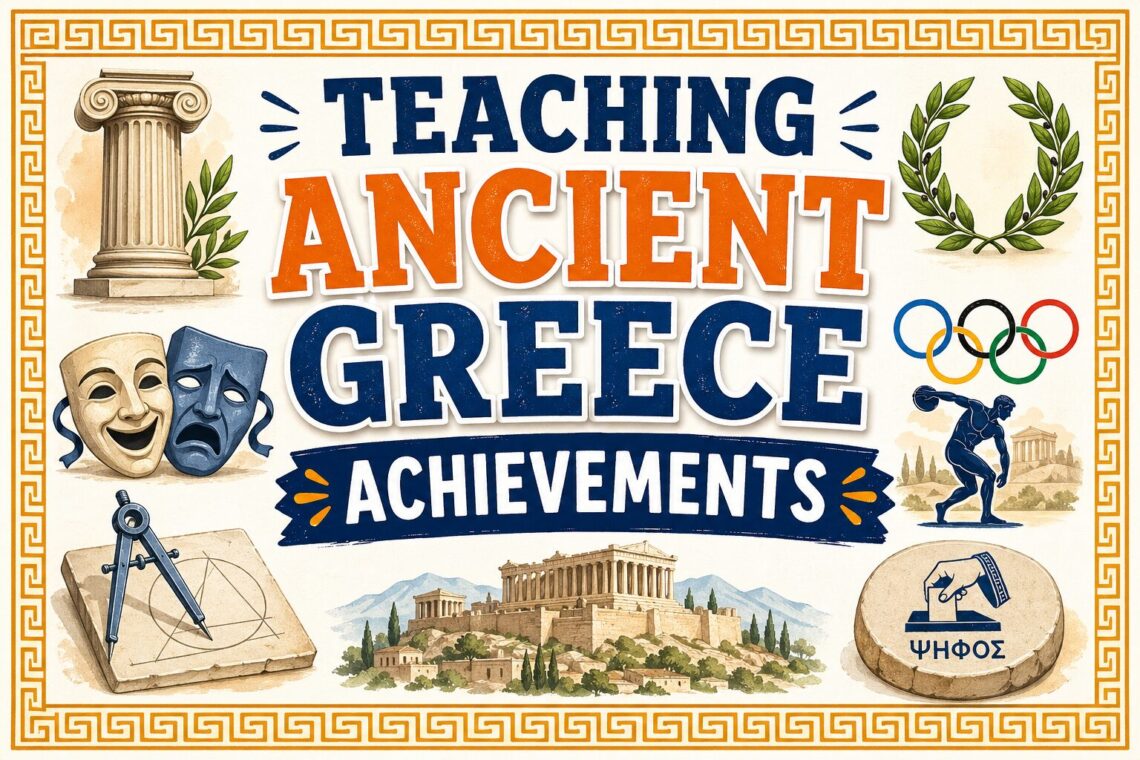
4 Engaging Ways to Teach Ancient Greece Achievements
Teach Ancient Greece achievements with movement, discussion, visuals, and a free gallery walk reading stations activity for middle school social studies.
4 Easy Ways to Teach Ocean Currents in Middle School Science
Need a simple way to teach ocean currents? Try these four middle school science strategies, including a print-and-go ocean currents gallery walk.
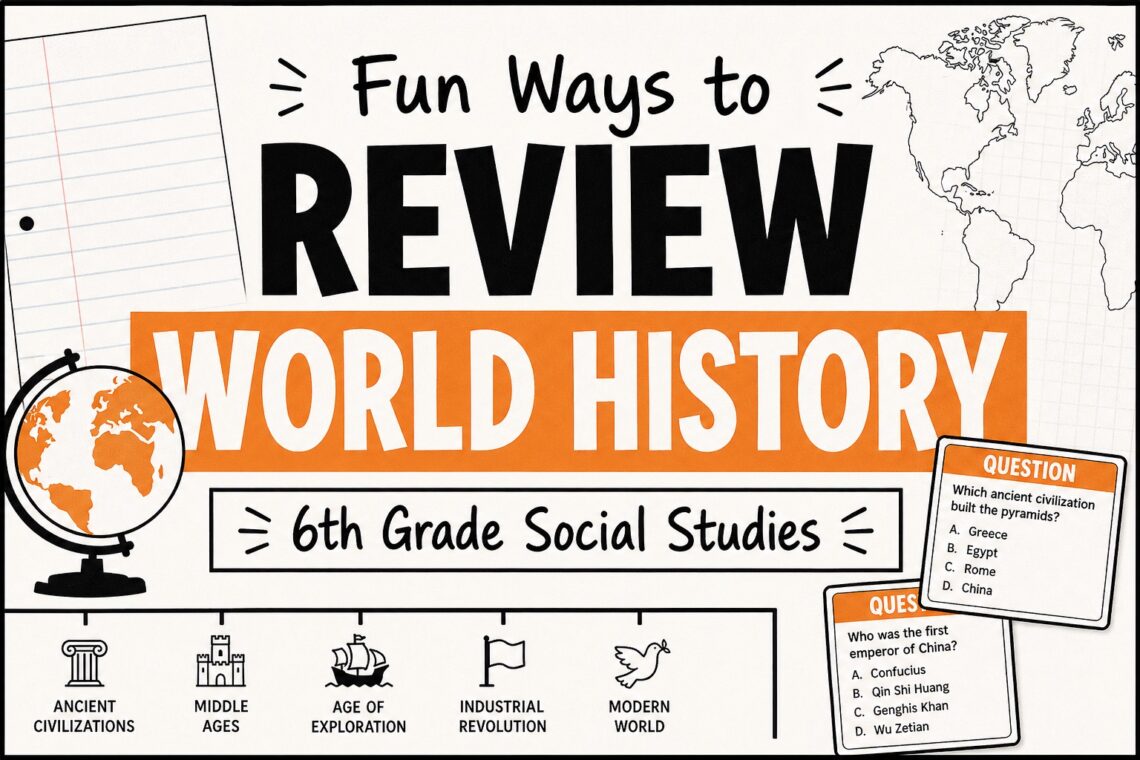
Fun Ways to Review World History in 6th Grade Social Studies
Looking for fun ways to review world history in 6th grade social studies? Try engaging test prep ideas, including a classroom-ready Trashketball review game.
Easy Principal Appreciation Ideas for Your School
Looking for easy Principal Appreciation ideas for your school? Try thoughtful student-centered activities, including a creative printable that goes beyond a basic thank-you card.
Fun Ways to Teach Energy in Ecosystems in Middle School Science
Looking for fun ways to teach energy in ecosystems? Try these classroom-friendly science ideas for food chains, food webs, and energy flow.
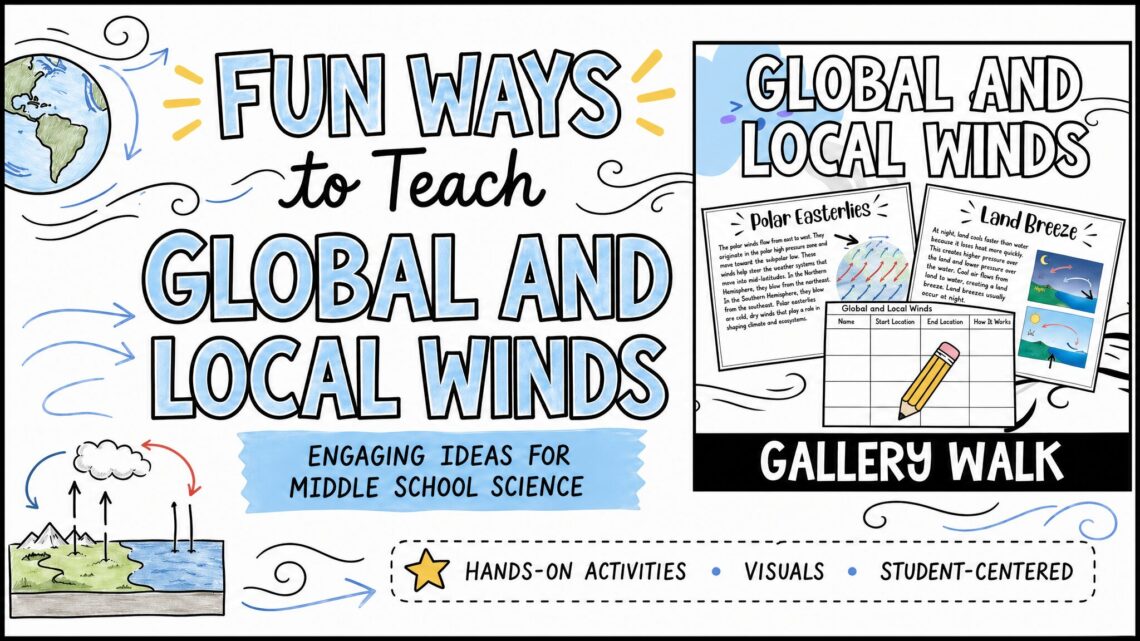
Fun Ways to Teach Global and Local Winds in Middle School Science
Looking for fun ways to teach global and local winds? Try these middle school science strategies, including visuals, comparison work, and a gallery walk activity.
Ancient Civilizations GRAPES Activities: Gallery Walks & Reading Stations
Ancient civilizations can start to blur together for students. Egypt, Mesopotamia, India, China, Greece, Rome—new names, new geography, new achievements, new religions. It is a lot for a middle school brain to organize. That is why I like using GRAPES. Geography, Religion, Achievements, Politics, Economics, and Social Structure gives students a repeatable way to think. Once they know the categories, they have a mental filing cabinet for every civilization you teach. Use the same framework all year The best part of GRAPES is the routine. Students are not starting from scratch every time you begin a new unit. They already know what kinds of questions to ask: Where did people…
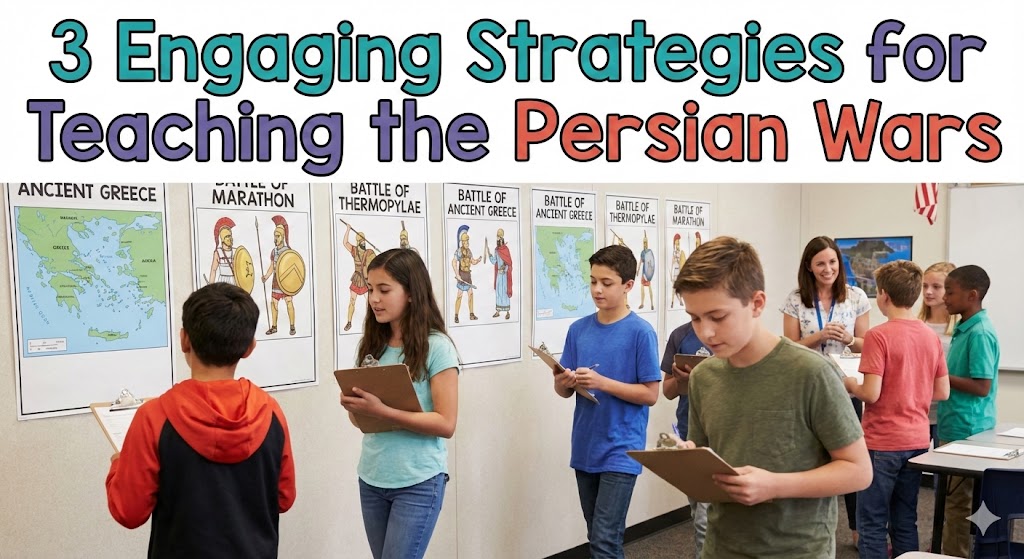
3 Engaging Strategies for Teaching the Persian Wars
The Persian Wars can either be really exciting or really confusing for students. Battles, city-states, leaders, invasions, maps—it can turn into a list of names quickly if we are not careful. I like teaching the Persian Wars as a story. Not a fake dramatic story, but the real one: Greek city-states with plenty of disagreements suddenly having to face a huge outside threat. That gives students a reason to care about Marathon, Thermopylae, Salamis, and why these battles mattered. Start with the big question Before getting into details, I like asking students why smaller groups might unite against a larger empire. What would make rivals cooperate? What would they risk…
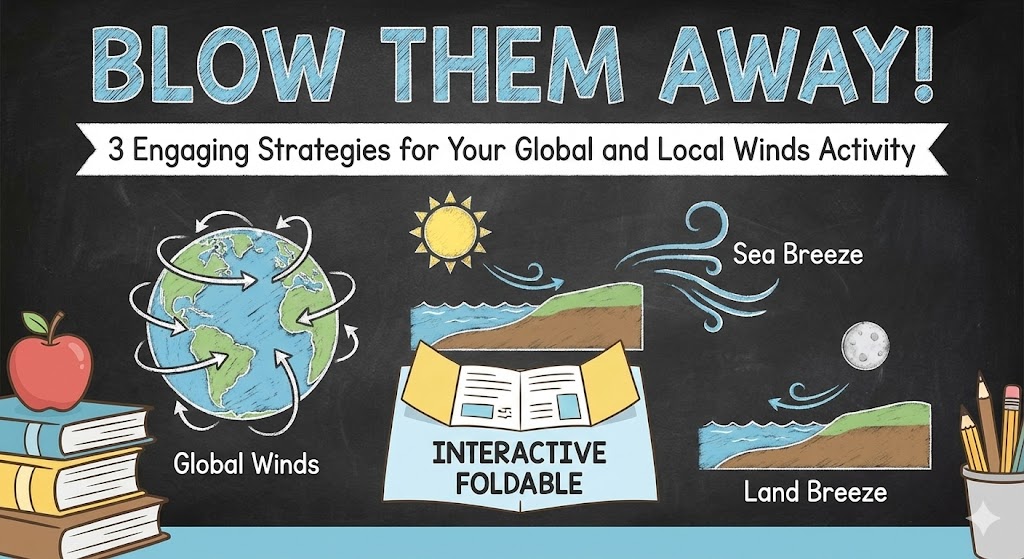
Blow Them Away! 3 Engaging Strategies for Your Global and Local Winds Activity
Wind is hard to teach because students cannot hold it, pass it around, or look at it under a microscope. They feel it every day, but the science behind global and local winds can still feel invisible. When I plan a global and local winds activity, I want students doing more than copying arrows. They need to connect wind to unequal heating, pressure, convection, Earth’s rotation, and real examples like sea breezes and land breezes. Give students something to build or fold Interactive notebook pieces are great for this topic because students need an organized place to put several similar-sounding terms. Trade winds, westerlies, polar easterlies, sea breeze, land breeze—it…